-
tel:
+86 18795665985 -
email:
frankhe@shangyulong.com -
email:
layna_xu@shangyulong.com

JIANGYIN SYL
New Material Co.,ltd.
The Ultimate Guide to Tinplate: Properties, Uses, and Benefits
Mar 06, 2026
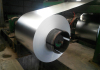
Tinplate, or electrolytic tin-coated steel, is a cornerstone material for packaging and industrial applications. Its core structure combines the strength of steel with the corrosion resistance, solderability, and brilliant aesthetics of a thin tin coating.

Key Properties: Tinplate offers excellent barrier protection against moisture and gases, crucial for preserving product integrity. It is non-toxic and food-safe, making it ideal for contact with consumables. The material is also highly formable and weldable, allowing for efficient manufacturing of complex shapes like cans. Additionally, its surface is perfect for high-quality printing and varnishing, enabling vibrant branding.

Primary Applications: Its most common use is in food and beverage cans (for vegetables, fish, coffee). It's also vital in general line packaging (aerosol cans, paint tins, chemical containers) and specialty items like closures (crown caps) and battery shells.

Choosing a reliable tinplate manufacturer ensures consistent coating quality, precise dimensions, and optimal performance for your production line.

Recent Posts

October 26, 2016
The Most Successful Engineering Contractor


Feb 22, 2023
Order elements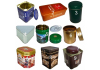
Feb 22, 2023
ETP/TFS usageContact US
Product Information
Quantity
Unit
Piece
Support order samples, customization, wholesale direct, and complete payment. If the product you look for does not have corresponding customized content, pls fill out the form below to contact us, and we will reply ASAP.